Bakery online presence has always been read by people who weren’t there to explain it: someone on a phone, between other things, piecing together a few reviews, a website, a listing, a feed. Nobody from the bakery is in the room, and some of what they find was put there years ago by someone who wasn’t thinking about this audience at all.
That audience just got a new member. 45% of US adults say they used AI tools like ChatGPT for local business recommendations in the past year, up from 6% the year before, in a survey run by a company that sells local SEO software, so treat it as a signal.
The tool matters less than what it has to read, which is the record a bakery leaves behind. This post is about what happens to that record when nobody from the bakery is there to explain it.
Table of contents
- What gets read when nobody is behind the counter
- A bakery now speaks through its record
- Accurate is not the same as clear
- When the record and the bakery disagree
1. What gets read when nobody is behind the counter
A stranger rarely stops at one source. Two in three consumers keep researching after reading a positive review, most often by visiting the business’s website, then by reading more reviews or checking social media.
AI joins that route without replacing it. Among people already using AI for local searches, only 18% felt ready to contact the business an AI tool recommended. The rest kept checking Google and other channels for details.
So the reading moves from a review to a website to an Instagram feed, and sometimes to a summary of all three, with no one from the bakery present at any step.
A newcomer can’t taste the bread yet, so the age and accuracy of what the bakery left behind can stand in for the bakery itself. A review from this week, an owner reply, a site that matches the listing: each suggests someone is minding the place.
The absence says something too. Most consumers expect owners to answer reviews, and a business that never does can read as absent.
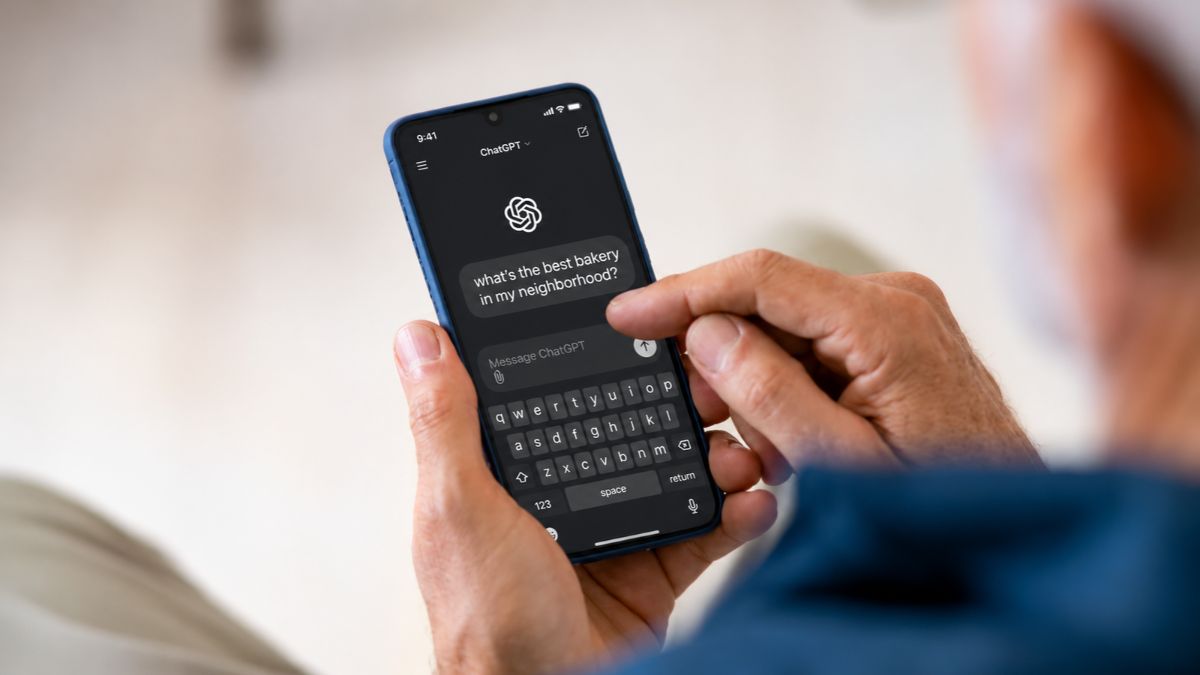
Try this tonight, from your phone, as if you’d never been inside. Search Google Maps for the best bakery near your neighborhood. Then ask an AI assistant to recommend one too. Finally, ask it what your bakery is known for and when it’s open.
- Does your bakery show up in the Google Maps results and in the AI’s recommendation?
- Does the AI’s description match the bakery you run, with the right hours and the right products?
- If it names its sources, how old are they?
AI tools vary widely in how they source information, so the answers can differ from one tool to the next. One odd answer from one tool proves little, so treat it as a prompt to check where the information came from. Whatever comes back is something a newcomer may have been told before ever walking in.
2. A bakery now speaks through its record
The principle reaches past AI. A bakery has always been two things: the place people walk into, and the record of that place that people consult before they decide to walk in.
For a long time the record lived in other people’s mouths, which kept it local and slow. Now it lives in reviews, listings, a site, a feed, and the summaries software writes from all of them, and it’s consulted by people who haven’t been inside yet and may never ask a neighbor.
That changes what the record has to do. A person comparing sources can notice inconsistencies, check dates, and decide which information to trust.
An AI-generated answer may draw on a bakery’s website, listings, reviews, social profiles, and other public sources. When that information is inconsistent or outdated, it may settle on one version or blur them without saying so: different hours on the listing and the website, a bio from three seasons ago, or reviews that stop in 2023. The bakery doesn’t control how any of it gets selected or summarized.
The summary adds a second problem, and it reaches people who never open an AI tool: 82% of consumers read the AI-generated review summaries that platforms now put above individual reviews.
It hides things too. Summaries can obscure details like photos, video, and review dates, so the reviews that feed them may stay influential longer because readers can’t see how old they are. A person weighing a review from last week against one from 2022 can tell the difference. A summary may not show it.
The answer is the tool’s to write. The record it draws on is still the bakery’s to keep.
3. Accurate is not the same as clear
Accuracy is only part of the picture. A bakery can have the right address, current hours, and plenty of positive reviews, and still leave a newcomer with little sense of what makes it worth visiting. If its public presence says little about what it specializes in, what customers come back for, or what sets it apart locally, an AI tool has nothing wrong to repeat and not much right to say either.
For many small businesses the record is thin to begin with: in 2025, just 35% of small business owners and managers surveyed said they had a Google Business Profile and 40% a dedicated website. A summary built from very little has very little to work with, and the bakery can end up represented by what every bakery has in common: a name, an address, a category.
Digital marketing for bakeries has always included everything someone encounters before tasting anything. What’s new is that software has become part of that first encounter, interpreting the information and presenting its own version.
4. When the record and the bakery disagree
AI is the newest reader of a bakery’s record, and probably not the last. Search engines, maps, review sites, social feeds, and now assistants each read the same record in their own way, and the next tool will too. A bakery that treats each one as a separate project is always catching up. One that keeps a single, clear record is more likely to be described accurately wherever someone asks.
That record also moves without anyone from the bakery touching it: a new review, a listing someone else edits, a source a tool starts drawing on. What a stranger finds today can differ from what they found last month, which is why the exercise in the first section is worth repeating.
You built something people love in person, with your hours, your standards, and your hands. That work is the reason there’s anything worth reading about the bakery in the first place. The distance between that bakery and its record is hard to see from behind the counter, because from there you only ever see the bakery.
At Strategy for Bakeries, we help independent bakeries make sure their online presence reflects what they actually offer, what they’re known for, and why customers choose them. That way, whether someone asks a person or an AI tool, they find the bakery you actually run.
Curious what someone might find about your bakery before visiting? Send us an email.