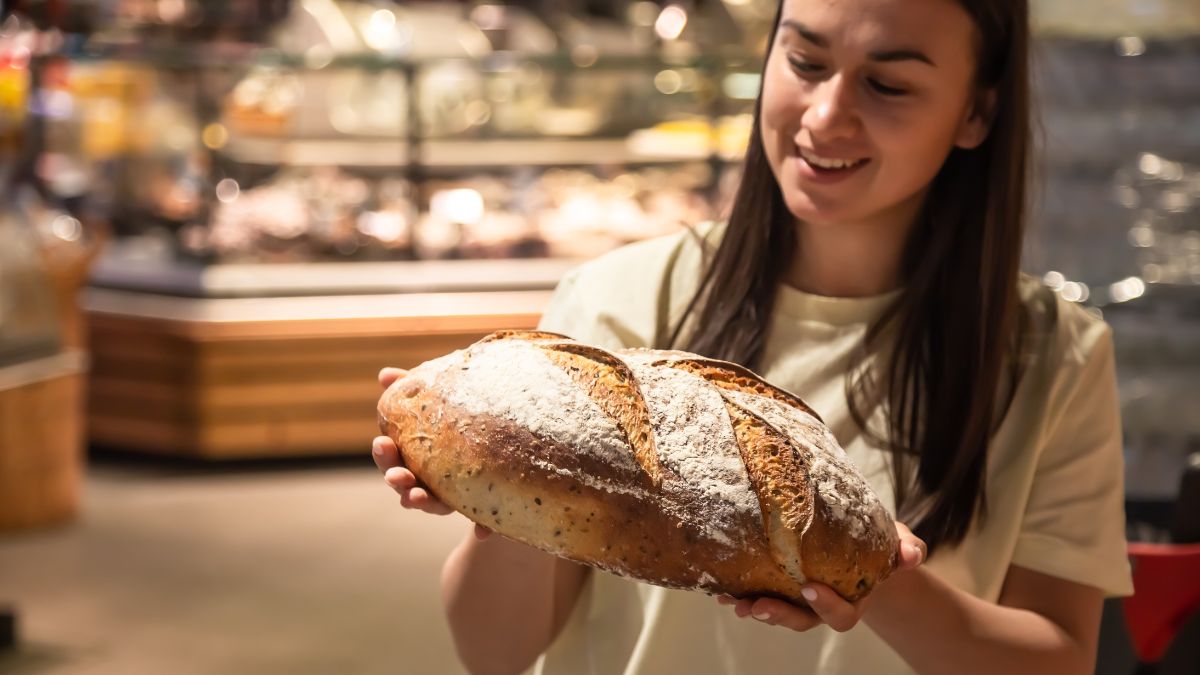
The sourdough trend is an odd one. Food trends tend to run on novelty: the next flavor or the next format, something to photograph by Friday. Sourdough takes days to make, yet it has moved well beyond the lockdown hobby and into everyday bread shopping.
The numbers tell two parts of the story. In 2020, eight of Google’s ten top trending recipe searches worldwide were for bread, and the most searched recipe in the US was sourdough.
Six years on, 31% of US adults surveyed by Ipsos said they were eating more sourdough than a year earlier, against 14% eating less. That survey was run for the Grain Foods Foundation, which is funded by the milling and baking industries, so read it as a signal, not a measurement.
That kind of staying power raises a more useful question: what are people getting from sourdough beyond the bread itself? The sections below read the trend as a set of questions customers are asking, starting with the broadest one and narrowing to the one a bakery can answer online.
Table of contents
- What a slow bread says about speed
- A health story that runs ahead of the evidence
- A word anyone can use
- What a trend asks of a bakery
1. What a slow bread says about speed
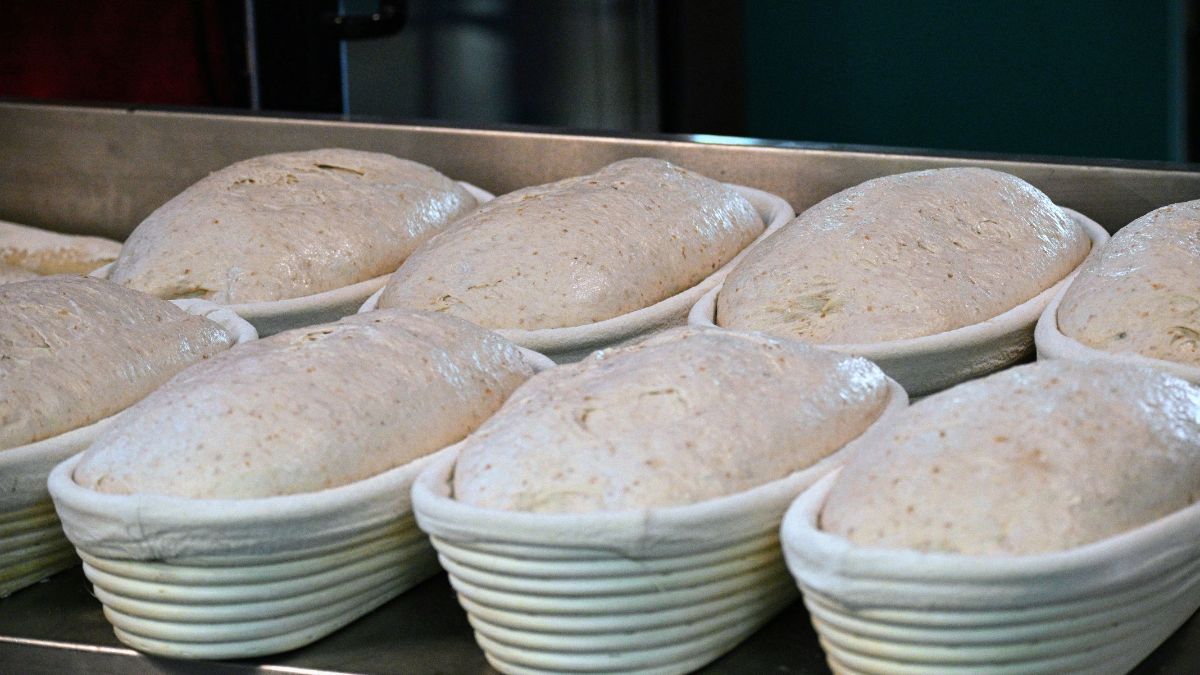
Sourdough arrives with its cost showing. A live starter has to be fed, the dough rests for hours, and the loaf often comes out with a blistered crust and an open crumb that looks like the time it took. Nobody has to explain the effort, because the bread carries it.
Much of that work happens before anyone arrives: dough shaped the evening before, an oven loaded in the dark. By the time a customer walks in, what’s left of the effort is a finished loaf on a shelf.
Here’s why that may matter: people tend to value what they can see someone working at, even when the outcome is identical. In experiments with travel and dating websites, people preferred a search that visibly did its work, and made them wait, over an instant one with the same results.
The authors link it to reciprocity: the effort felt like it was being made for them. Bread isn’t a website, so the parallel is our reading, but it fits a product whose slowness is the first thing anyone learns about it. What the research points to is how visible work gets valued, which is a different question from whether customers want slower bread.
A feed full of finished loaves shows the result and hides the effort. The starter gets fed and the dough rests overnight whether or not any of that work reaches a caption. How much of the process do your customers actually get to see?
2. A health story that runs ahead of the evidence
Health is the other thing people bring to sourdough. In the same survey, 53% of the people eating more artisan or sourdough bread said they believe sourdough is better for gut health and digestion than regular bread. The study notes that these expectations can form before consumers check a nutrition label.
The process has become a selling word, too: 19% of all respondents named a sourdough starter or natural fermentation among the most appealing descriptors for a healthy or high-quality bread.
The clinical evidence is more cautious. A systematic review of human studies saw real potential in sourdough, and concluded that its complex, shifting ecosystem needs more standardization before clinical benefits can be stated.
Some health benefits may eventually be established for specific sourdough breads and fermentation methods. For now, consumer expectations run ahead of the evidence, leaving bakeries with a choice: make a health claim they can’t substantiate, or describe what they can verify, such as the ingredients, fermentation time, and process behind the loaf.
When people can’t check a claim about a loaf, the name on the label does a lot of the work.
3. A word anyone can use
That makes the word commercially valuable, but less specific than many customers might assume. In the US, the standards of identity for bread cover white, enriched, milk, raisin, and whole wheat, and sourdough has no entry of its own.
False or misleading labeling is still prohibited under federal law. What’s missing is a definition of the term itself.
That leaves room for products to carry the name while relying on commercial yeast for their rise or added acids for their tang, which chefs and food writers keep pointing out. Loaves can sit on a spectrum, and the issue is the gap between what the word suggests and how the bread is made.
In the UK the gap is visible enough that the Real Bread Campaign has asked for a legal definition.
Our reading of the logic: a claim anyone can make tells customers little about what sets one bakery apart. Specific details can do more. How long the dough fermented, what went into it, and how the starter is maintained give customers something concrete to understand and compare. For a bakery that makes it the slow way, the word alone may no longer separate its loaf from the supermarket’s, and the details can.
Try this with your last three captions about bread:
- Could one of them sit under a supermarket loaf?
- Does any of them say how long the dough took, or what it’s made of?
- Would a customer who’s read about fake sourdough find something to check?
If the word is doing all the work, no standard is backing it. The same logic is behind a test we use for a bakery’s story: whether a stranger learns something that wouldn’t be true of any other artisan bakery.
4. What a trend asks of a bakery
Adapting to a market trend usually gets framed as a product decision: add the thing. Trade press has already covered a sourdough doughnut mix built around a dehydrated starter, which is that instinct at work.
Sourdough suggests the trend is a set of questions customers are trying to answer. Can I see the work? Can I believe the health story? Is this the real thing? The loaf is how those questions got asked, and the next trend may arrive in a different product carrying versions of the same ones.
The questions outlast the product. A bakery that can answer them has adapted to sourdough, and to whatever follows it, without adding anything to the shelf.
If your bakery was making bread the slow way before the boom, the trend brought more attention to a product whose process customers may not fully understand. That’s a harder position than it looks, because the time and care that go into the loaf don’t automatically show up in a photo of the finished product.
Of those three questions, which could a stranger answer about your bakery from the feed alone?
At Strategy for Bakeries, we help independent bakeries communicate what makes their products worth choosing across social media, local listings, and their websites. When a trend brings new attention to a product, that communication can help customers understand what makes one bakery’s version different from another’s.
If you’d like to talk about how your bakery’s bread shows up online, send us an email.