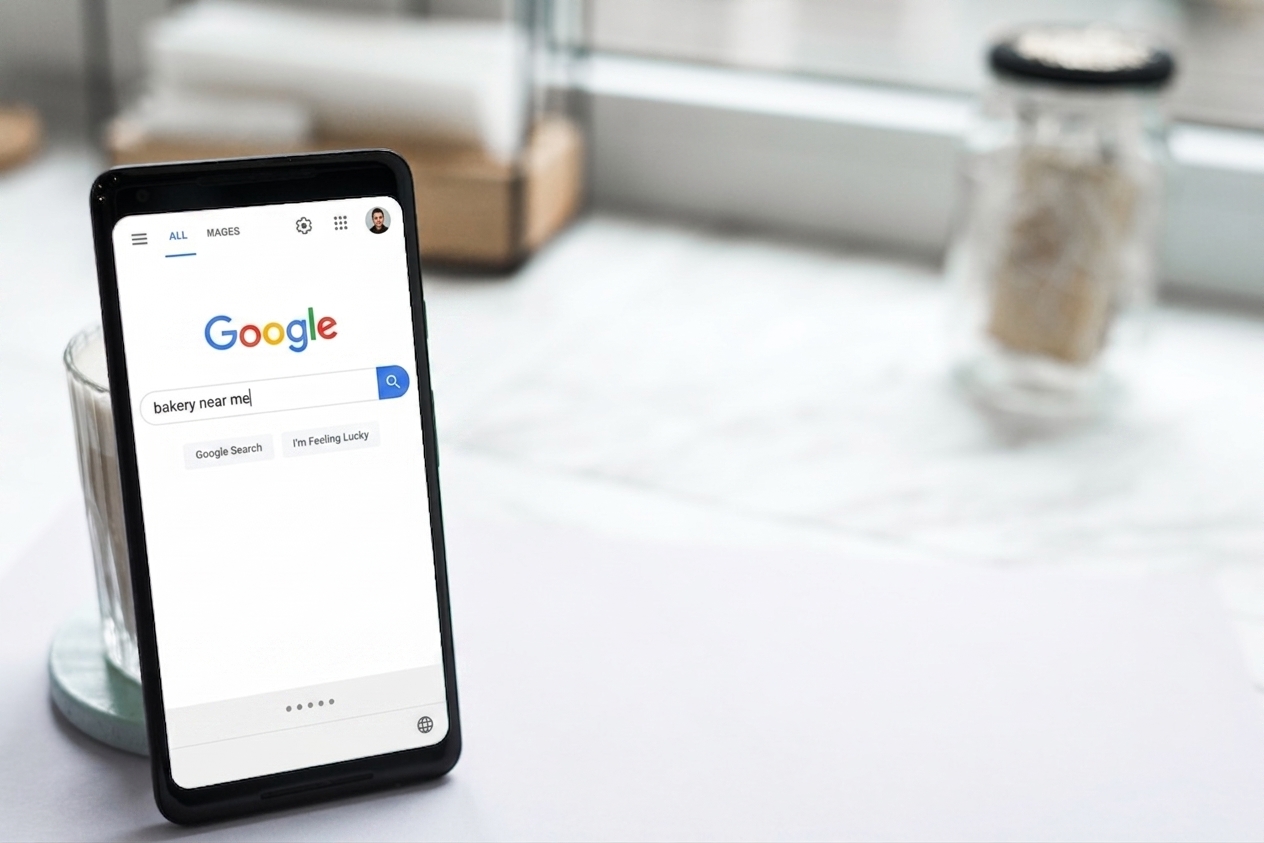
When someone nearby wants a fresh croissant or a birthday cake, Instagram may be where they first discovered you. Google is often where they decide. Someone searching “bakery near me” at 8am on a Saturday has already made up their mind to go somewhere. The profile that shows up best wins that customer.
Most independent bakeries have a profile. Most of them set it up once and never touched it again.
Here are seven reasons that gap is costing more than most owners realize.
Table of contents
- Your profile is incomplete
- Your photos are from when you opened
- You’re not responding to reviews
- You’re visible for the wrong searches
- Your hours aren’t always accurate
- You’re not paying attention to what people search before they find you
- Your Google presence contradicts your Instagram

1. Your profile is incomplete
A complete profile gives Google more information about what your business is, what it offers, and where it belongs, while giving customers fewer unanswered questions. An incomplete one leaves both guessing.
The description field is where most bakeries leave the most opportunity on the table. 750 characters to explain who you are, what makes you different, and why someone should choose you over the bakery down the street. Most profiles have it blank, or filled with generic copy that communicates nothing specific.
Categories matter too. A profile that lists only “Bakery” is competing in the broadest possible bucket. Adding “Café,” “Pastry Shop,” or “Custom Cake Shop” as secondary categories tells Google more about what kind of bakery this is, and surfaces the profile in more specific searches.
2. Your photos are from when you opened
Photos do two things. They tell Google the business is active. And they tell potential customers what to expect.
A profile with three grainy photos from 2022 communicates something about the business, just not what the owner intends.
3. You’re not responding to reviews
A review section is a public record of how your bakery treats people after the transaction is over. Every response, and every absence of one, is visible to anyone who looks at the profile before deciding to visit.
A thoughtful response to a five-star review shows appreciation. A thoughtful response to a critical review shows accountability. Ignoring both communicates something too.
4. You’re visible for the wrong searches
“Bakery” is only the beginning. The more useful question is: what kind of bakery are people looking for, and where?
A profile that only communicates “Bakery” gives Google far less context about the specific searches it should be relevant for. Someone searching “sourdough bakery Wicker Park” or “custom birthday cake Logan Square” has much more specific intent than someone typing “bakery,” and a profile without that specificity is less likely to surface for those queries.
The specificity of what a bakery offers, its neighborhood, its signature products, should be reflected in the profile. That means using the right secondary categories, writing a description that includes what the bakery is actually known for, and making sure the profile language matches how people in that specific area tend to search.
5. Your hours aren’t always accurate
A customer searches at 7:30am. Google says the bakery opens at 7. They drive across town. The bakery doesn’t open until 8.
That customer doesn’t come back.
Inaccurate hours are one of the most common and most damaging problems on Google Business Profiles. Holiday hours, seasonal changes, temporary closures: every gap between what the profile says and what’s actually true is a potential lost customer. Unlike a bad photo or an incomplete description, inaccurate hours create a broken promise at exactly the moment when the customer was ready to show up.
6. You’re not paying attention to what people search before they find you
The Google Business Profile dashboard shows what terms people used to find the profile, what actions they took after, which photos they looked at, and when they’re most likely to search. Most bakery owners have never opened it.
A bakery known for its croissants might be getting impressions for “gluten-free cake” and converting none of them. A bakery in a specific neighborhood might not be appearing in neighborhood-specific searches at all. Without looking at the data, there’s no way to know which situation applies.
7. Your Google presence contradicts your Instagram
A customer finds a bakery on Instagram and likes what they see. They search for it on Google to check the hours before making the trip. The Google profile has a different name format, an outdated photo, and hours that may or may not be accurate.
Google’s AI now pulls data from multiple sources, including social media, and inconsistent information can directly hurt local ranking. The discrepancy between channels is confusing to customers and a signal to the algorithm that something is off.
What they see in those seconds
Most bakeries lose local customers through small moments of friction: outdated hours, weak photos, unanswered reviews, incomplete information, a profile that doesn’t explain why this bakery is worth the trip.
None of these problems feels significant on its own. Together, they can make a customer choose the bakery that simply looked easier, clearer, and more trustworthy.
What they see in those seconds is the whole story.
Strategy for Bakeries helps independent bakeries build a digital presence that works across every channel, including the ones that quietly drive customers through the door. If you’d like to understand what your Google profile is currently communicating, send us an email.