Bakery customer loyalty usually gets explained with programs: stamps, points, a free croissant after the tenth. Programs have the advantage of being visible and countable, which may be part of why they dominate the conversation. The loyalty a bakery already has is often smaller and older than that: Saturday morning, a particular loaf, a way of carrying it home that nobody ever designed, a few words at the counter on the way out.
Routines like that belong to the customer. A bakery can’t install one, but it can disturb one without ever knowing it existed, because most of what holds a routine together happens out of the bakery’s sight: which day the week makes room for it, what the customer does with the bag, whether the loaf is there when they arrive.
That is why the question that tends to come up, how to create a ritual that keeps customers coming back, may start from the wrong end. This post starts from the other one: five ordinary changes a bakery makes, usually for good reasons, that can break a routine nobody told it about, and where each one shows up online.
Table of contents
- Start with your three most regular customers
- Why a routine is easy to disturb
- Hours that move without notice
- The usual item is gone before the usual hour
- The usual item rotates out
- A counter that rushes everyone through
- A closure nobody explained
- Where each of these shows up online
- What loyalty looks like from the customer’s side
Start with your three most regular customers
Try this before reading on. Think of three regulars:
- Can you say which day they come, what they buy, and at what hour?
- Do you know what they do with it once they leave?
- If their usual item were gone when they arrived, what would they do?
If the answers are guesses, the routines your regulars built are still invisible from behind the counter, which can make them easy to disturb. Write the answers down, then ask each regular the next time they come in. The distance between your version and theirs is the first useful thing this exercise will show you.
Why a routine is easy to disturb
Here’s why: in a lab, a small, deliberately silly ritual before eating made chocolate more enjoyable, and it helped less when people only watched someone else perform it. In a study of students switching universities, exercise, newspaper, and TV habits survived the move only when the surroundings stayed similar. Neither was about shopping.
Habits are often triggered by cues in the surrounding environment, while rituals can give repeated actions personal meaning. A weekly bakery run can be both, and neither study measured customer loyalty.
A bakery doesn’t control the routines customers build, but it can influence the conditions that help them repeat. The five changes below affect those conditions in different ways.
1. Hours that move without notice
The Saturday close moves from two to one. Opening slides from seven to eight. Inside the bakery it’s a staffing decision, and often a sensible one. For the customer whose week runs through that hour, it can be the point where the routine stops fitting.
Habits tend to hang on cues in the surroundings, and time of day is a likely one. Move the hour and the cue moves with it, and the customer doesn’t get a memo.
Before moving an hour, one question is worth asking: who usually arrives in the half hour that’s about to go?
2. The usual item is gone before the usual hour
Selling out by ten reads as good news from behind the counter. For the regular who comes at noon, it’s the week the loaf wasn’t there.
The loaf exists. It just isn’t there at the hour the routine runs on, and the product is part of the routine’s surroundings, so its absence can disrupt the pattern. What the customer does next can become a decision again: come earlier, take something else, or skip the week.
The bakery sees a sellout. The customer who arrived at noon and left empty-handed isn’t in the numbers.
3. The usual item rotates out
A special takes the usual’s place on the shelf for a few weeks. The hour is right and the shelf is full, and the thing a routine was built around isn’t on it. From inside, rotation feels like variety.
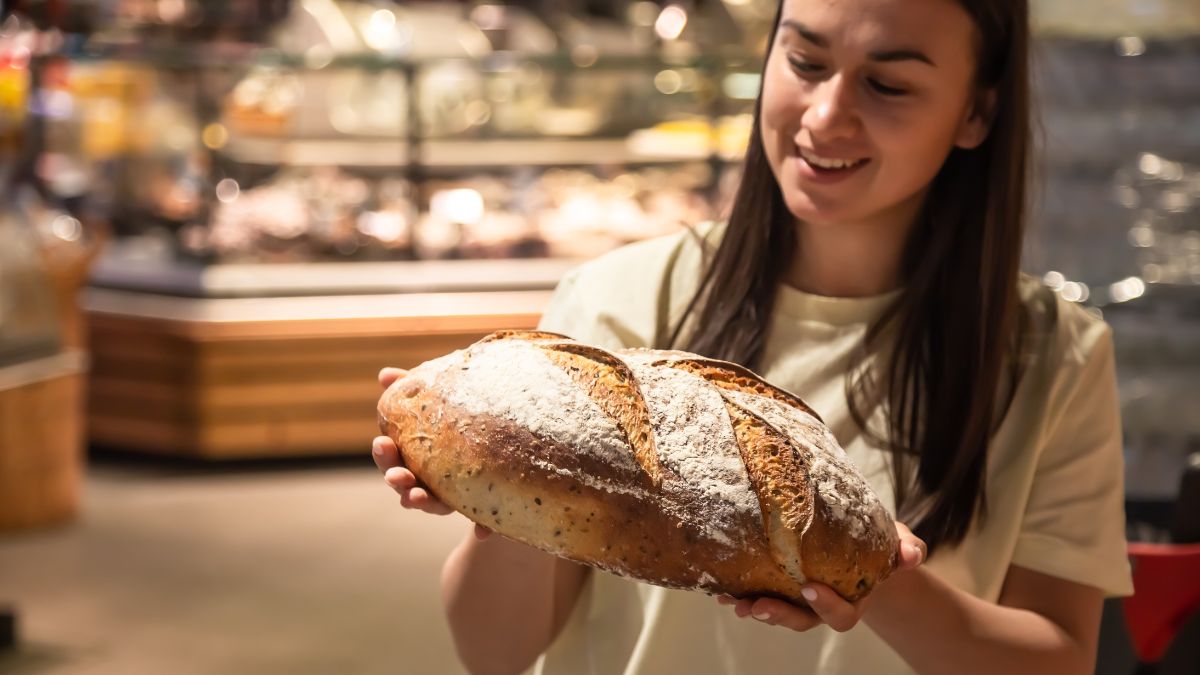
A ritual needs something to be performed on. For a customer whose own sequence belongs to one particular loaf, the heel eaten in the car, the first slice toasted on Sunday, a replacement leaves that sequence with no loaf to belong to.
Which item do your regulars ask for by name? That’s the one a rotation touches first.
4. A counter that rushes everyone through
At the busiest hour the counter runs on speed: tongs, bag, tap, next. The line makes that call, usually without anyone choosing it.
For a customer whose routine includes a few words with the same person, that’s the first part to go. A brief chat at a counter can lift a customer’s mood, though the experiment measured mood, not return visits, and asked the customers, not the staff, to start it.
For customers who have come to expect that recognition, losing the person who knew their order may change more than the speed of the transaction.
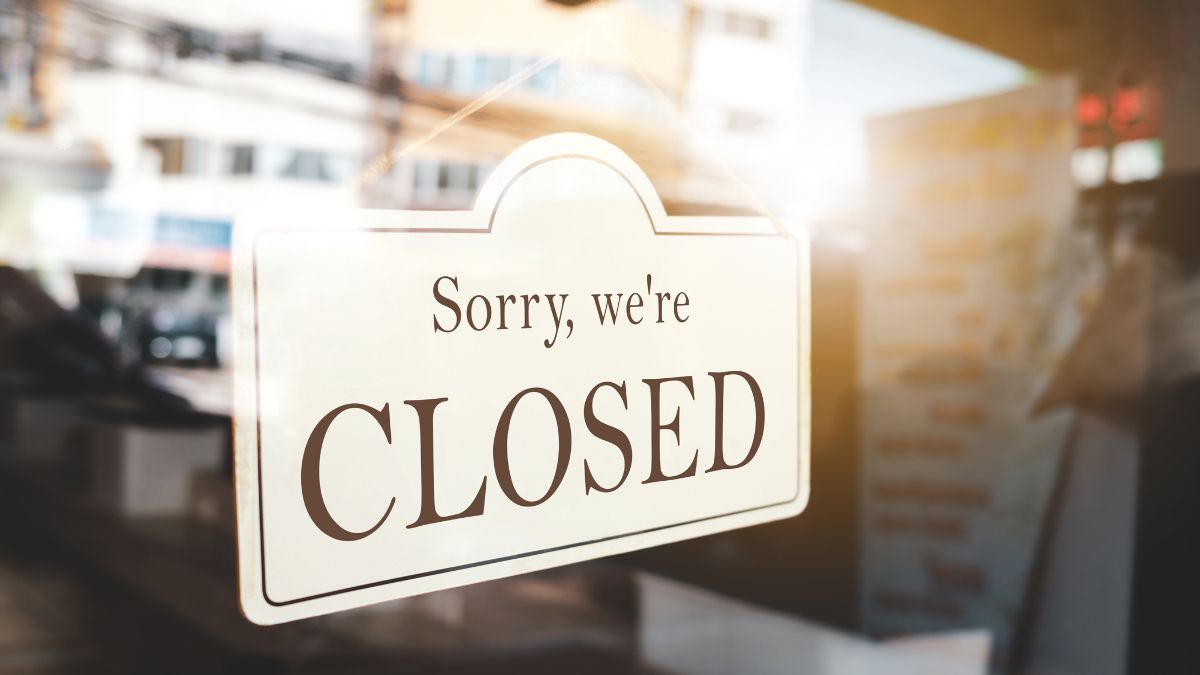
5. A closure nobody explained
A week off in August. A new oven. A slow January with the doors shut on Mondays. A sign on the door with no date on it.
When the cue disappears, the routine can have nowhere to go. In Parsa and colleagues’ study of why restaurants fail, one restaurant closed for a renovation without telling customers why or when it would reopen, and they were long gone by the time it did. We went through that study in why small bakeries fail.
A pause with a date on it gives the routine something to wait for. A pause without one leaves the customer to decide alone.
Where each of these shows up online
Most of the anchors above appear, or should appear, somewhere online: the listing, the feed, and the website carry the hours, the usual loaf, and the announcements. A customer may encounter these details online before visiting, and an unannounced change may only become apparent when they arrive. We’ve covered what counts as digital marketing for a bakery, and this is the version for routines. Digital marketing can keep those anchors honest and make existing routines easy to recognize. The ritual itself stays the customer’s to perform.
- Hours. The Google listing, the Instagram bio, and the website each state them, and a routine meets whichever one the customer checks. A listing with hours that don’t match the door is one version of this. Do all three say the same thing this week?
- The usual item running out. A line in a story or a pinned post is where a regular can learn the loaf goes by ten, before making the trip. Where would a regular find out that today’s is gone?
- Rotation. The feed helps shape which products customers associate with the bakery, and a grid full of this month’s special can make a familiar staple seem to have disappeared. When did the feed last show the thing your regulars ask for by name?
- The counter. Comments and DMs are another point of contact, and the way a bakery answers is part of the experience, even if a reply only partly stands in for the familiarity of the counter. How long does a regular’s comment sit without an answer?
- Closures. The sign on the door has a digital twin in the listing’s special hours and in a post with a return date. Does yours say when you’re back, or only that you’re closed?
Keeping operational information accurate is one part of the job. Content has another: showing what the bakery makes and what customers already do with it, the Saturday loaf, the box for the office. That helps regulars recognize parts of their own week in what the bakery publishes. We’ve written about the difference between telling the story from inside the bakery and from outside.
What loyalty looks like from the customer’s side
You’ve spent years getting the product, the hours, and the room right, and customers have built something around all of it: a Saturday, a loaf, a few words at the counter. Much of it happens where you can’t see it.
That’s also why “how do we create a ritual for our customers” may be the wrong question. The rituals that made food more enjoyable were ones people performed themselves. What a bakery can do is notice which anchors a routine leans on, and keep them steady.
It may be that loyalty is what a bakery’s anchors look like from the customer’s side after enough weeks of staying put. A sales report records what sold. Which change quietly broke someone’s Saturday doesn’t show up in it.
At Strategy for Bakeries, we help independent bakeries make their digital presence reflect the business customers actually experience, from the information they rely on to the content that keeps familiar products visible.
If you’d like to talk about how your bakery shows up online, send us an email.