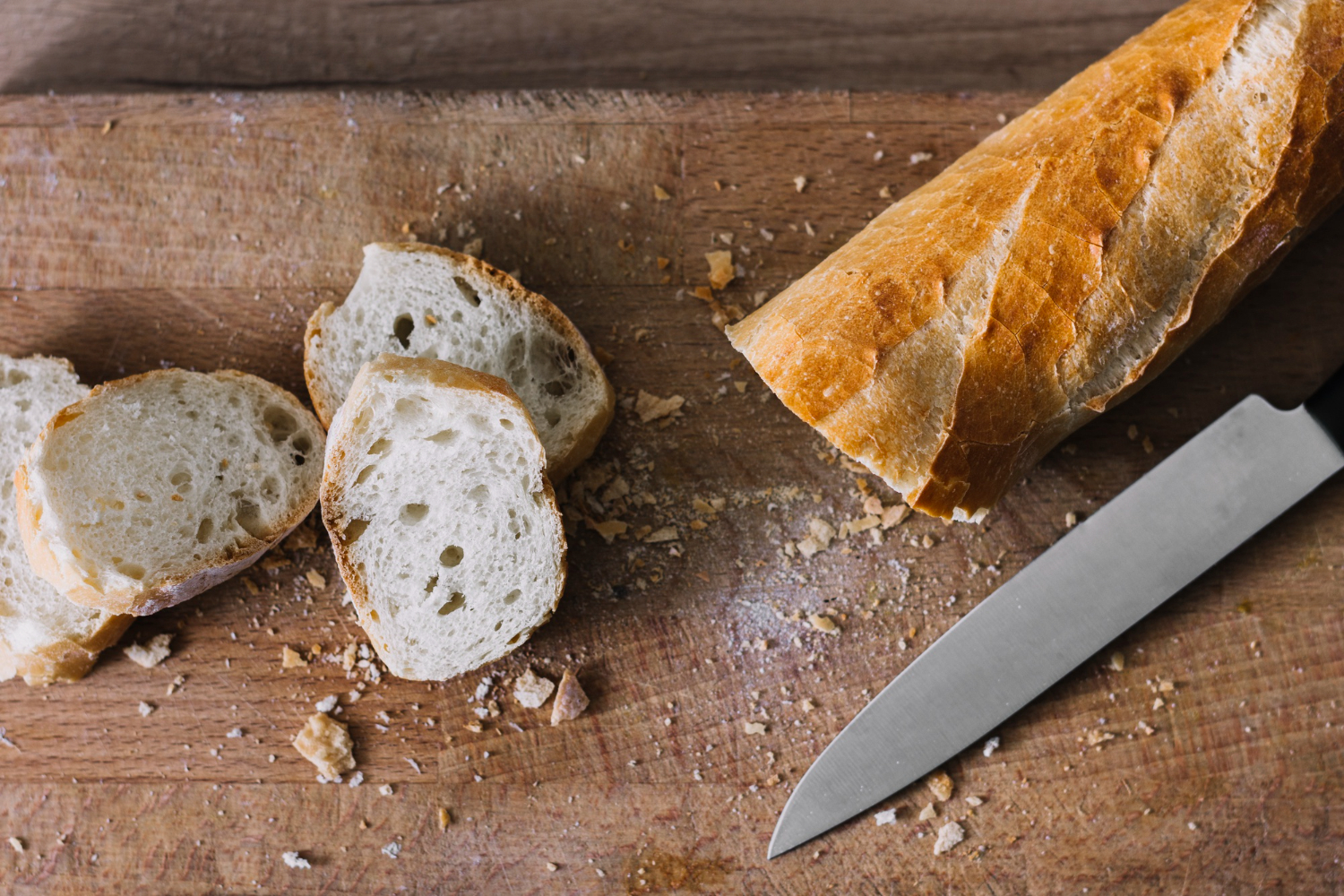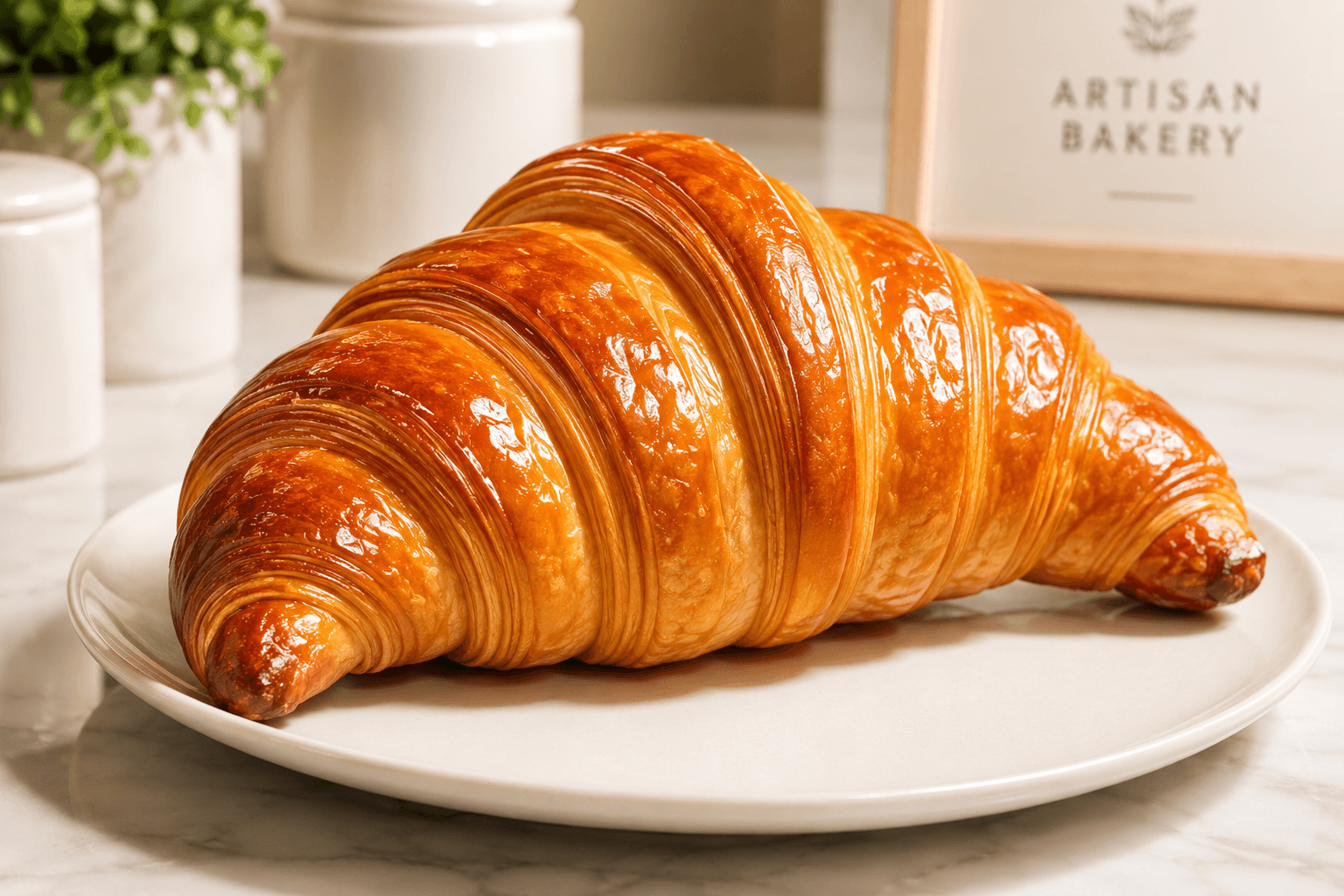

Picture this: Two identical bakeries sit across the street from each other. Same quality croissants, same coffee beans, same pricing. Yet one has a line out the door while the other struggles with empty display cases. The difference isn’t the products – it’s psychology. Every day, potential customers make split-second decisions about where to spend their money, and those choices are driven by factors most people never consciously recognize.
Understanding customer psychology isn’t just academic curiosity for bakery owners – it’s the difference between thriving and surviving. The customers walking past your door are processing a complex mix of sensory cues, emotional triggers, and social signals that determine whether they’ll step inside or keep walking. When you understand these hidden decision-making processes, you can design experiences that naturally draw customers to your bakery instead of your competitor’s, creating loyalty that transcends price and convenience.
The five-second decision window
Customers make their choice about your bakery within five seconds of seeing it. During this critical window, their brains are rapidly processing multiple layers of information to answer one fundamental question: “Is this place worth my time and money?” This evaluation happens largely below conscious awareness, but it determines whether they’ll walk through your door or past it.
What customers evaluate in those first seconds
Visual safety and quality signals
- Is the storefront clean and well-maintained?
- Does the lighting make products look fresh and appealing?
- Are there obvious signs of activity and turnover?
- Does the space feel professionally managed?
Social proof indicators
- Are other customers already inside?
- Do I see people carrying bags from this bakery?
- Are there visible awards, reviews, or press coverage?
- Does this place feel popular and trusted?
Emotional resonance markers
- Does this environment match how I want to feel right now?
- Do the visual cues suggest comfort, quality, or excitement?
- Does this place remind me of positive past experiences?
- Would I be proud to be seen here by others?
Understanding this rapid evaluation process helps explain why two nearly identical bakeries can have vastly different success rates – small differences in presentation can trigger dramatically different psychological responses.
The sensory symphony that drives decisions
While visual cues get customers in the door, the full sensory experience determines whether they’ll buy and return. Each of our five senses plays a specific role in building the psychological foundation for purchase decisions, and successful bakeries orchestrate these elements deliberately.
Smell: the emotional gateway
Aroma is your most powerful psychological weapon. The scent of fresh bread or brewing coffee bypasses rational thought and connects directly to the brain’s emotional center, triggering memories and desires that influence spending behavior.
Strategic scent management
- Position ovens and coffee equipment where aromas naturally drift toward entrances
- Time fresh baking to coincide with peak foot traffic
- Ensure proper ventilation that carries scents outside without overwhelming the interior
- Consider how competing food smells might confuse or diminish your signature aroma
Sight: creating desire before taste
Visual presentation shapes expectations and perceived value. Customers eat with their eyes first, making display decisions crucial for sales psychology.
Psychological principles of food display
- Height creates importance: Elevate premium items to increase selection rates
- Abundance suggests freshness: Full displays imply high turnover and quality
- Warm lighting enhances appetite: Golden tones make food appear more appealing
- Clean backgrounds focus attention: Minimal display elements highlight products
Sound: the subtle mood controller
The acoustic environment influences how long customers stay and how much they spend, though most never consciously notice these effects.
Audio elements that affect purchasing
- Background music tempo: Faster beats encourage quick decisions, slower rhythms promote lingering
- Ambient noise levels: Moderate conversation buzz signals popularity without overwhelming
- Kitchen sounds: Gentle preparation noises suggest freshness and activity
- Cash register efficiency: Smooth transaction sounds reduce purchase anxiety
Touch and taste: sealing the commitment
The physical interaction with products creates ownership psychology even before purchase, while taste delivers on all the promises made by other senses.
Tactile engagement strategies
- Encourage sampling when appropriate to create taste commitment
- Use packaging textures that feel premium and substantial
- Design counters and displays that invite closer inspection
- Train staff to handle products with obvious care and pride
The emotional journey from curiosity to loyalty
Customer emotions evolve throughout their bakery experience, and understanding this progression helps you design touchpoints that build stronger connections and encourage repeat visits.
Stage one: anticipation and attraction
Before customers even enter, they’re processing emotional signals that either invite them in or send them elsewhere. This stage is all about creating positive anticipation.
Building pre-visit desire
- Maintain attractive window displays that tell a story about freshness
- Use social media to share behind-the-scenes content that builds anticipation
- Create seasonal offerings that give people reasons to check back regularly
- Ensure your exterior appearance matches the quality you deliver inside
Stage two: first impression and comfort
The moment customers enter, they’re evaluating whether this feels like a place where they belong and want to spend time and money.
Creating immediate comfort
- Train staff to acknowledge new customers within seconds of entry
- Design clear sight lines so people can easily see their options
- Maintain comfortable temperatures and appropriate lighting levels
- Use music and decor that matches your target customers’ preferences
Stage three: exploration and decision
As customers browse your offerings, they’re experiencing a mix of desire, indecision, and evaluation. This stage determines what they’ll buy and how much they’ll spend.
Supporting confident decision-making
- Organize products logically with clear pricing and descriptions
- Train staff to make helpful recommendations without being pushy
- Offer samples when appropriate to reduce purchase anxiety
- Create menu combinations that simplify complex choices
Stage four: transaction and connection
The checkout process is an opportunity to reinforce positive emotions and plant seeds for return visits.
Maximizing transaction satisfaction
- Keep wait times reasonable with efficient service systems
- Use this moment for genuine personal connection when possible
- Package products attractively to extend the positive experience
- Express genuine appreciation for their business
Stage five: consumption and memory formation
After customers leave with their purchases, their experience continues. This stage determines whether they’ll return and recommend you to others.
Extending satisfaction beyond the sale
- Ensure product quality consistently meets the expectations you’ve set
- Use packaging that maintains freshness and presents products well
- Consider how and where customers will consume your products
- Create shareable moments that encourage social media posting
Psychology as your competitive advantage
The next time you watch customers walk past your storefront, remember that each person is running a complex psychological evaluation in just seconds. They’re processing visual safety signals, scanning for social proof, and assessing whether your bakery matches their current emotional needs. This isn’t conscious deliberation – it’s rapid, subconscious decision-making that determines your foot traffic and revenue.
Understanding these psychological processes gives you practical tools for influence. When you position your ovens to carry aromas toward the entrance, design displays that suggest abundance and freshness, train staff to create immediate comfort, and craft experiences that move customers smoothly from curiosity to satisfaction, you’re working with human psychology rather than against it.
The invisible forces shaping every bakery visit
The five-stage emotional journey your customers experience offers multiple opportunities to create positive touchpoints that build loyalty. Each stage has specific psychological needs that you can address through deliberate design choices, staff training, and operational systems.
The customers making split-second choices about your bakery aren’t evaluating your products in isolation. They’re responding to the complete sensory and emotional experience you create, often making purchase decisions before they’ve even seen your menu. When you understand and intentionally shape these psychological factors, you transform casual encounters into meaningful connections that drive both immediate sales and long-term customer relationships.
The difference between an empty bakery and one with a line out the door isn’t the recipe — it’s psychology. And psychology is communication. If your social media isn’t telling the right story, customers will walk past without even realizing why.
We help bakeries turn these invisible triggers into digital strategies — so your Instagram, Google presence, and content make customers choose you before they’ve even tasted your bread.
Want to see how this could work for your bakery? Get in touch — let’s design a social media strategy that makes customers stop, step inside, and keep coming back.