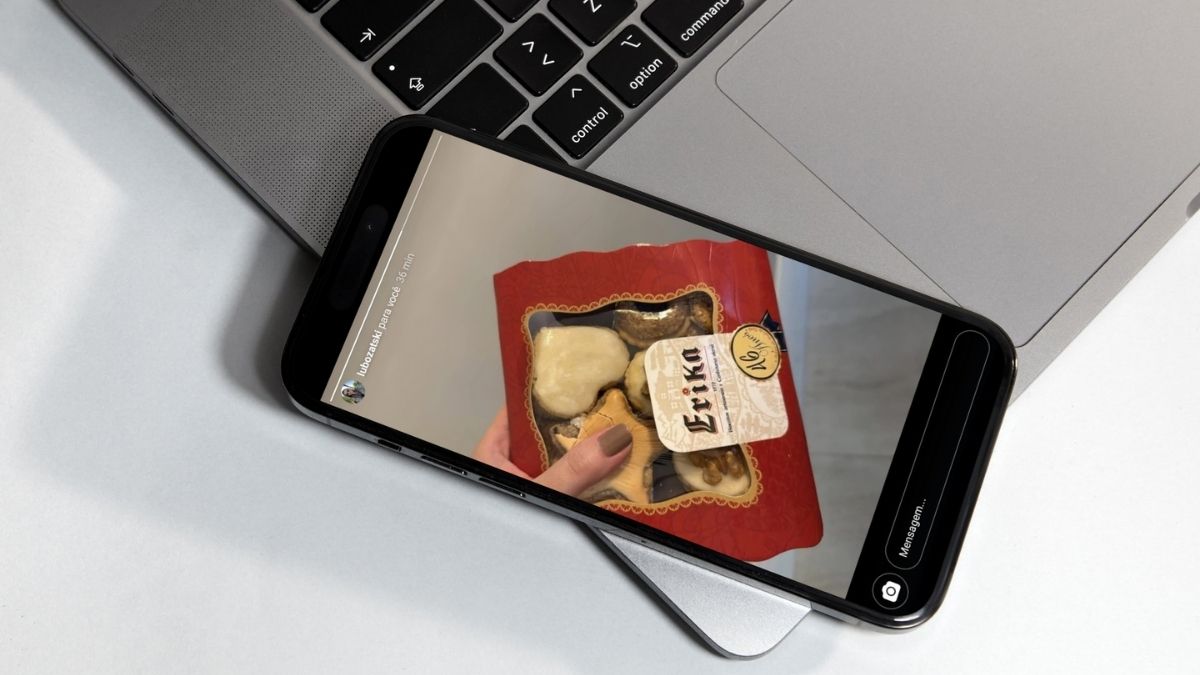
Bakery brand voice is one of those things that exists long before it’s named. Erika’s bakery had been part of its community for over 45 years. German-inspired cookies made from family recipes, sold at local markets and passed between generations as gifts. The kind of business that doesn’t need to introduce itself to anyone who grew up nearby.
Online, none of that existed.
Not because Erika wasn’t posting. She was. But the posts didn’t carry any of the weight of what the bakery actually was. The photos were generic, the captions could have belonged to any food business, and the overall presence communicated nothing specific about 45 years of craft, community, and family memory.
The gap between what the bakery was offline and what it was online came down to translation, not content.
Table of contents
- What the diagnosis actually revealed
- The gap that mattered most
- What changed, and what didn’t
- The reactions that confirmed the diagnosis
- What this case reveals about legacy brands online
What the diagnosis actually revealed
Before writing a single caption or redesigning a single post, we spent time understanding what the bakery actually was: not what it sold, but what it meant to the people who bought from it.
What we found: customers were buying a connection more than cookies, a tradition, a memory, a sense of continuity the bakery had represented in their lives for decades. The product carried something bigger than itself.
Three specific problems were keeping that value from showing up online:
- The photography didn’t reflect the product’s quality. The cookies were handmade, distinctive, and visually compelling. The photos made them look ordinary.
- The content had no thread. Posts went up without a connecting logic. There was no sense of a story being told over time, no reason for a new follower to understand what made this bakery different from any other.
- The voice was generic. The captions sounded like content. They didn’t sound like Erika. The warmth, the history, and the personal quality that made the bakery what it was in real life were absent from every line of copy.
The gap that mattered most
Of the three problems, the voice was the most significant and the hardest to fix.
Visual quality is fixable with better photography, and content consistency is fixable with a calendar and a strategy. Voice is harder. It requires understanding what a brand actually sounds like when it’s being itself, something most brands, especially ones that have existed primarily in physical spaces for decades, have never had to articulate. A recent study on brand authenticity found that it builds customer trust and loyalty mainly through the emotional attachment it creates, the kind of attachment a generic caption can’t manufacture.
Erika’s bakery had a voice. It just had never been translated into written language. The warmth that customers felt at the market, the stories that came up naturally in conversation, the way the products connected to specific memories and occasions: all of that was real and present in the offline experience. None of it was making it into the captions.
That’s the gap most legacy brands face when they come online, not a lack of story, but a lack of language for the story they already have.
What changed, and what didn’t
The strategy we built was centered on translation, not reinvention.
Nothing about the bakery’s identity changed: the recipes, the values, the relationship with the community all stayed exactly the same. What changed was how those things were communicated online.
The photography shifted from generic product shots to images that communicated craft: the texture of the cookies, the handmade quality, the packaging that reflected the care that went into what was inside. Each post became a micro-story rather than a product announcement.
The voice shifted from generic business copy to something that sounded like the bakery: warm, personal, specific. Captions referenced the history behind recipes, the occasions the products were made for, the community the bakery had been part of for four and a half decades.
What came out of it wasn’t a new brand, just the existing one, finally made legible online.
The reactions that confirmed the diagnosis
The most meaningful indicator wasn’t the follower count or the engagement rate, even though both improved, it was the comments and messages that started coming in.
Customers wrote things like:
“This brand feels like home.”
“Makes me want to hug them.”
“Takes me back to Christmas at my grandmother’s house.”
“Part of our family’s history.”
These weren’t reactions to good content, they were reactions to recognition, the feeling of finding online something that reflected what they’d always known the bakery to be in real life. The gap had closed.
On the business side: Sunday market foot traffic increased, WhatsApp and Instagram became active sales channels, and new customers began discovering the bakery through its digital presence and placing orders without having encountered it at a market first.
What this case reveals about legacy brands online
The Erika case is common, one of the situations independent bakeries find themselves in most often: a strong offline reputation, a loyal customer base, and a digital presence that communicates almost none of what makes the business worth choosing.
The instinct, when confronted with that gap, is usually to post more, try different formats, or update the visual style. These things can help. But they don’t address the underlying problem: the absence of a clear brand voice and a strategy for what the content is actually supposed to do.
A bakery that has been part of its community for 45 years has something genuinely valuable to communicate online. The challenge is rarely a lack of material, it’s translation, finding the brand voice that carries the weight of what the business actually is, and building a digital presence around that language instead of around what other bakeries happen to be posting.
That translation work is the part that’s hardest to do from inside the business. And it’s the part that changes everything once it’s done.
Strategy for Bakeries works with independent bakeries and cafés across the US to close the gap between what a business is in real life and what it communicates online. If your bakery has a story worth telling and a digital presence that isn’t telling it, send us an email.