
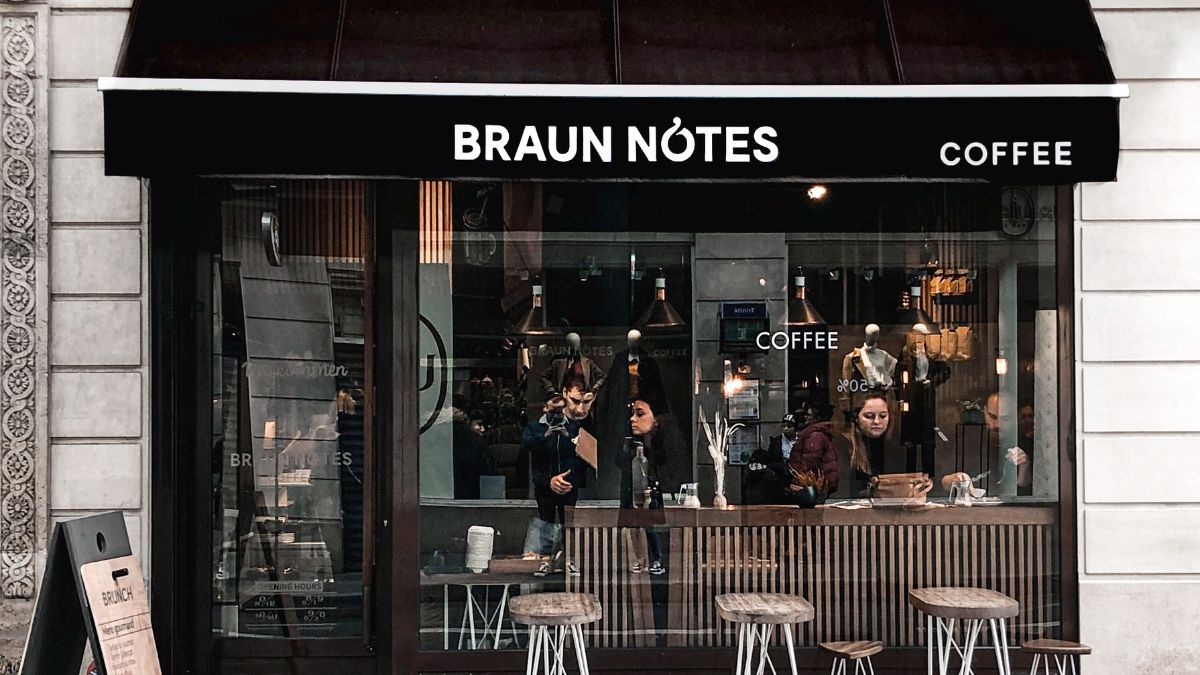
What is a Third Place and why does it matter?
The third place concept has become one of the most cited ideas in independent café culture. Ray Oldenburg introduced it in his 1989 book The Great Good Place, describing informal gathering spaces separate from home and work where people connect, belong, and return not because they need to but because they want to. The book has never gone out of print, and the concept has only grown in relevance as loneliness and social disconnection have increased in urban life.
Most cafés that position themselves as third places are responding to something genuine. The desire to be more than a transaction, to build a space that means something to the neighborhood, is real and worth taking seriously. The problem is that the third place identity is easy to claim and genuinely difficult to earn. And most cafés that use the term have never examined the gap between the two.
Table of contents
- Claiming the identity isn’t the same as building it
- Ambiance isn’t community
- Regulars aren’t evidence of a third place
- The staff experience shapes the customer experience more than the décor does
- The digital presence contradicts the physical one
- Third place status is earned by the community, not declared by the café

1. Claiming the identity isn’t the same as building it
A café can put “community hub” in its bio, design a warm logo, and use the word “gathering” in every caption. None of that creates a third place.
Oldenburg was specific about what third places actually require. They need to be accessible, without membership or obligation. They need to be leveling, meaning social hierarchies soften inside them. They need to have regulars who know each other, not just regulars who know the staff. And they need to have a playful character, a looseness that makes unplanned conversation possible.
Most cafés that describe themselves as third places have designed for atmosphere and missed the sociology. The plants and exposed brick are real. The conditions for genuine social interaction often aren’t.
Ask yourself: when someone walks into your café alone, what are the odds they leave having spoken to a stranger? If the answer is close to zero, the physical space may be beautiful, but it isn’t a third place yet.
2. Ambiance isn’t community
Warm lighting, good music, comfortable seating create a pleasant environment where people sit near each other without connecting. Most café investment goes into exactly this. What rarely gets the same attention is the social architecture: how the space makes interaction between strangers easy, or harder than it needs to be.
Research on third places identifies certain features as predictors of genuine social interaction:
- Counter seating that puts strangers in proximity without requiring commitment
- Staff who facilitate introductions rather than just take orders
- Events or rituals that give people a reason to return and a subject to talk about
- A pace that doesn’t rush people out before connection has a chance to happen
Most cafés have some of these. Very few have thought about all of them as part of a deliberate social strategy.
3. Regulars aren’t evidence of a third place
Every café with decent coffee and consistent hours develops regulars. People who come in most mornings, order the same thing, sit in the same spot, and leave. These customers are valuable. They’re not evidence of a third place.
A third place regular, in Oldenburg’s framework, isn’t just someone who returns to the café. They return to the people in it. They have relationships with other regulars, not just with the barista who knows their order. Their presence is social, not just habitual.
The test is straightforward: if a long-term regular stops coming in, do other customers notice? Do any of them reach out? Or does the only person who notices the absence wear an apron?
If the answer is the latter, the café has loyal customers. That’s valuable. It’s not the same as being a third place.
4. The staff experience shapes the customer experience more than the décor does
Oldenburg described the hosts of third places as people who set the tone through their own personality and presence. The person behind the counter is the single biggest variable in whether a first-time visitor feels welcomed into something or processed and sent on their way.
A café with high staff turnover, where no one remembers the regulars, or where the pressure of service leaves no room for small human gestures, cannot sustain third place status regardless of how it’s positioned.
5. The digital presence contradicts the physical one
Many cafés that genuinely function as third places in the physical world communicate almost none of that online. The Instagram feed shows lattes and pastries. The captions announce hours and specials. The bio describes the menu.
None of that communicates what Oldenburg identified as the essential quality of a third place: the feeling that something real happens here, between people, that wouldn’t happen anywhere else.
The role of a café’s content is to give language to that experience, to make a first-time visitor feel that they already understand what kind of place this is before they walk through the door. A digital presence that could belong to any café is communicating, accurately or not, that this café is like any other. For a space trying to earn third place status, that’s a gap worth closing.
6. Third place status is earned by the community, not declared by the café
This is the pattern that connects all the others.
A café becomes a third place when the community decides it is one. When people start treating it as a given, directing visitors there, mentioning it in conversations that have nothing to do with coffee. That recognition is earned through consistent experience over time. It can’t be shortcut by positioning language or interior design choices.
What a café can do is build the conditions that make it more likely: design for social interaction, not just aesthetic experience; invest in staff who function as hosts; build a digital presence that communicates the specific character of the space.
Understanding the difference between building those conditions and claiming the identity is the gap most cafés have never examined.
The aspiration is worth taking seriously
Wanting to be a third place is wanting something real. It means believing that a café can be more than a transaction, that the space can matter to people in a way that outlasts the coffee and the croissant. That instinct is the right one.
What most cafés need isn’t a better logo or a more consistent Instagram grid. It’s a clear-eyed look at the gap between what the space is trying to be and what it’s actually communicating — to the customers who walk in, and to the ones who find it online first. That gap is almost always smaller than it seems, and it almost always starts with language: finding the words that make what’s already true about the café legible to the people it was built for.
Strategy for Bakeries works with independent cafés and bakeries to build brand and communication strategies that reflect what the space actually is, and communicate it to the people most likely to value it. If you’d like to understand how your café’s identity translates online, send us an email.