Walk into a bakery that’s been open six months, then one that’s been open six years, and you’ll notice something strange. The newer place may have the friendlier price. Somehow, it’s often the older one with the line out the door.
That contrast is exactly why some coffee shops charge more and stay packed while others keep discounting and still struggle to fill tables. Price rarely tells the whole story. What actually decides the gap is everything a customer notices on the way to the price tag.
Table of contents
- The product that never explains itself
- The space that doesn’t announce anything
- The counter that only says the total
- The process nobody knows about
- The menu with nothing to wait for
- What these five patterns have in common

1. The product that never explains itself
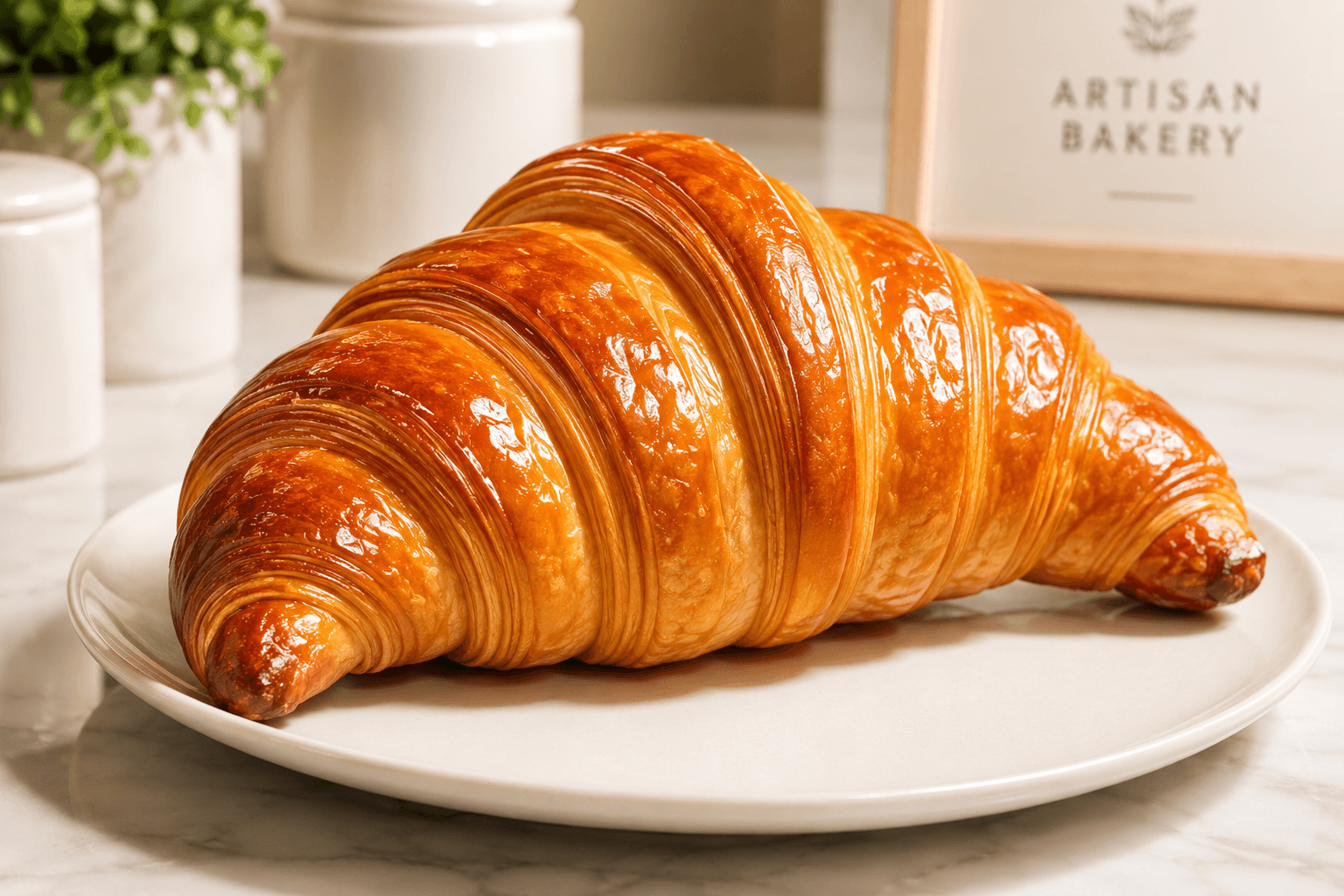
“Fresh croissant, $4.50.” Right next to it, a competitor’s board reads “$3.”
Neither board gives the customer much reason to think about the gap. No mention of the 36 hours the dough spent proofing, the French butter, or the lamination done by hand instead of a machine. Two nearly identical products, two very different numbers, and the cheaper one wins by default.
A croissant that never explains what makes it different leaves the price to defend itself alone.
2. The space that doesn’t announce anything
The lighting is fluorescent. The chairs don’t quite match. The layout happened by accident rather than by design, and none of it reads as intentional, just forgettable, the kind of space that could belong to any bakery on any street.
An environment signals investment before anyone takes a bite. A forgettable space reads as a cheap one, no matter what’s coming out of the oven.
3. The counter that only says the total
“That’ll be $6.75.” No mention of where the beans came from, why that pastry pairs with the coffee, or what the staff would recommend to someone trying the menu for the first time.
The exchange stays purely transactional: money for a coffee and a pastry, and nothing else passes between them.
Expertise that never gets voiced might as well not exist. A customer has no way of knowing they’re paying for years of practice if that practice never comes up. Take away everything a staff member could have said, and ask what’s left standing between the customer and the price. If the honest answer is nothing, the number is doing all the talking, and a price with nothing behind it loses to a cheaper one next door, every time.
4. The process nobody knows about
The flour is milled locally, the starter is years old, and the pastry team still laminates certain products by hand. None of it shows up on a sign, in a caption, or in anything a staff member says out loud. It lives entirely in the kitchen, known only to the people who work there.
More than half of consumers say they’d pay more for products that come with real transparency about how they’re made. When the process stays invisible, customers don’t suspend judgment. They default to judging by price, because it’s the only piece of information they were ever given.
5. The menu with nothing to wait for
Everything is available every day, all year, with no seasonal rotation, no limited batch, nothing that requires showing up on a particular week to catch it.
The menu is reliable, and that’s exactly where it can start to lose some of its pull. Nothing on it gives anyone a reason to feel lucky for getting it.
Seasonal items, limited batches, and signature products give customers something to anticipate. They also give the business something to be known for. And when a bakery or café becomes known for something people can’t get everywhere else, price becomes a smaller part of the decision.
What these five patterns have in common
None of the bakeries losing this fight are necessarily doing anything wrong in the kitchen. Most of them are making something genuinely good.
What they’re leaving out is permission: the chance for a customer to notice that quality before comparing numbers with the place next door.
Price only becomes the real competition once everything else goes unsaid, and the fix is giving the customer something else entirely to see, taste, feel, and remember before they get to the number.
That’s how a bakery or café stops asking customers to justify the price and starts giving them a reason to choose it. It’s also why some coffee shops charge more and stay packed while the one down the street keeps discounting to stay afloat.
Strategy for Bakeries helps independent bakeries build the kind of presence that justifies the price on the receipt. If you’d like to understand what that looks like for your bakery, send us an email.